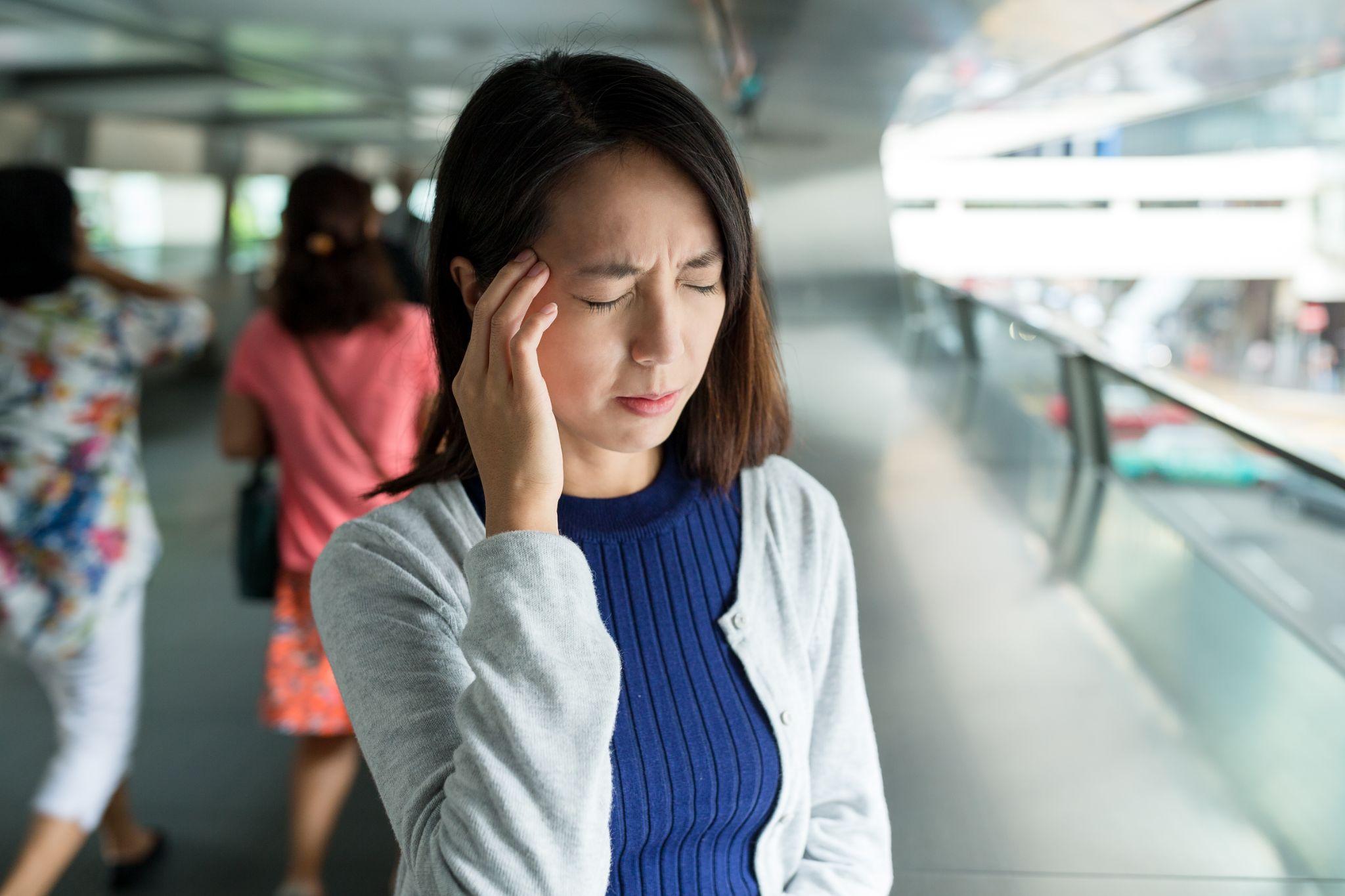
Can quickly turn into severe headache pain. Focus drops. Energy fades. Daily tasks feel harder. At Advanced Physical Therapy, we see how headaches impact movement, concentration, and overall quality of life. Understanding headache causes is key to proper headache management.
This guide explains headache and migraine types, common symptoms, triggers, and effective treatment options to help relieve pain and prevent headaches from coming back.
Understanding Why Headaches Start
Headache causes vary widely. Some headaches are primary, meaning the headache itself is the condition. Others are a secondary headache, where head pain is a symptom of another issue. According to the National Headache Foundation and the American Headache Society, headache disorders affect millions of people worldwide.
Common causes of headache include:
- Muscle tension in the head or neck
- Changes in blood vessels
- Stress and emotional overload
- Poor posture affecting the head or face
- Dehydration
- Sleep disruption
Headaches often begin gradually and may throb on one side of the head or both sides of the head. Headache may feel like pressure, throbbing pain, or sharp discomfort.
Types of Headache and What They Mean
There are many types of headache. Learning the headache type helps guide headache treatment and prevention.
Common types include:
- Tension headache: This is the most common type of headache. Tension headaches cause dull head pain, tightness, and pressure across part of your head or one side of your head. Many people get tension headaches during stress.
- Migraine headache: Migraine is less common than tension headache but more intense. Migraine headache often causes throbbing pain, nausea, light sensitivity, and headache attacks that may last from 30 minutes to several hours or days.
- Cluster headache: A rare type of headache that causes intense pain on one side of your head, often around the eye. Headaches are intense and may occur in clusters.
- Secondary headache: Secondary headache is a symptom of another condition. Spinal headaches, thunderclap headaches, and medication overuse headaches fall into this category.
Headaches vary in duration, frequency, and intensity. Some headaches usually resolve quickly. Others become chronic daily headaches.
Common Headache Symptoms to Watch
Headache symptoms differ depending on the type of headache you experience. Headaches include more than just pain.
Symptoms may include:
- Head pain or pressure
- Throbbing pain
- Pain on one side of your head
- Pain across the sides of the head
- Sensitivity to light or sound
- Neck stiffness
- Fatigue
Headache is accompanied by nausea in migraine headache cases. Headaches can sometimes include visual changes or aura. Headache pain may increase with movement.
Relieve a Headache by Reducing Muscle Tension
Muscle tension is one of the most common causes of headache. Tension in the head or neck places stress on surrounding tissues and blood vessels.
Helpful strategies include:
- Gentle neck mobility exercises
- Shoulder relaxation movements
- Controlled breathing to reduce stress
- Heat applied to tight muscles
These methods help reduce headache pain and support headache at home care.
Posture and Headache Management
Posture plays a major role in causing your headaches. Forward head posture strains muscles and joints, leading to daily headaches over time.
Postural habits that help prevent headaches include:
- Keeping screens at eye level
- Supporting the spine while seated
- Taking posture breaks
- Avoiding prolonged static positions
Headaches occur more often when posture is ignored for long periods.
Stress, Breathing, and Nervous System Response
Stress is a powerful trigger headache factor. Headache and migraine are strongly influenced by how the nervous system reacts to stress.
Slow breathing helps reduce headache attacks by calming nerve activity.
Try this approach:
- Inhale slowly through the nose
- Exhale longer than you inhale
- Relax the jaw and shoulders
This technique supports headache management and may reduce frequent or severe headaches.
Hydration and Lifestyle Support
Dehydration can also cause headaches. Many headaches are linked to fluid imbalance.
Helpful habits include:
- Drinking water consistently
- Limiting excess caffeine
- Eating balanced meals
- Maintaining regular sleep
Headaches usually improve when hydration and routine stabilize.
Movement Based Care Instead of Complete Rest
Rest alone is not always the best solution. Gentle movement improves circulation and reduces stiffness.
Supportive movement options include:
- Walking
- Light stretching
- Guided therapeutic exercise
Headaches treated with movement often show better long term outcomes than complete inactivity.
Tracking Triggers and Headache History
Keeping a headache history helps identify patterns. Trigger headache factors vary from person to person.
Common triggers include:
- Screen exposure
- Stressful days
- Poor sleep
- Skipped meals
Understanding what is causing the headache helps prevent headaches and reduce recurrence.
When Headaches Become Persistent
Headaches often come and go, but some people get headaches often. Chronic daily headache affects quality of life and should be addressed.
Seek care if you experience:
- Headaches that worsen over time
- Headache pain linked to neck movement
- Severe headache without clear cause
- Headaches in kids that interfere with school
Doctor if you get headaches that are frequent or severe. Headache diagnosed early allows more effective treatment plan development.
How Physical Therapy Supports Headache Treatment Options
Physical therapy focuses on movement, posture, and muscle balance. Headaches can be treated by addressing the source rather than masking symptoms with headache medications alone.
Treatment options include:
- Manual therapy for joints and soft tissue
- Postural retraining
- Guided strengthening exercises
- Education on headache causes
Headaches treated this way often show lasting improvement.
To better understand related pain patterns, read our guide titled: “When to Worry About Shoulder Pain?” to explore shared movement issues influencing head and neck discomfort.
Start Your Path to Lasting Headache Relief with Advanced Physical Therapy
Headache is a pain, but it does not have to control your life. At Advanced Physical Therapy, we help people with headaches understand what is causing their headaches and how to prevent headaches from returning. Our outpatient orthopedic physical therapy focuses on diagnosis specific care, expert manual therapy, and guided exercises.
We support patients with:
- Back pain treatment
- Neck pain treatment
- Knee pain rehabilitation
- Vertigo treatment
- Arthritis therapy
- Sports injury rehabilitation
- Post surgical rehabilitation
- Fall prevention programs
With clinics throughout Northwest Arkansas and Southwest Missouri, our team works closely with people with headaches to create personalized care plans. Headaches are not serious in many cases, but headaches can sometimes be a symptom of deeper movement issues.
If you experience a headache often, or if headaches are intense, structured care may help. Schedule a free consultation with Advanced Physical Therapy and learn more about headache relief, headache management, and how headaches can be treated through movement based care.