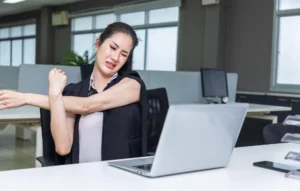
Lower back pain is one of the most common health concerns worldwide. It can interrupt work, limit physical activity, and affect quality of life in many ways. For some, it appears after a sudden injury, while for others, it develops slowly from posture problems, muscle weakness, or strain. Although many people experience back problems at some point, the good news is that effective solutions exist.
This is where Advanced Physical Therapy plays an important role. The clinic provides personalized care that goes beyond short-term relief. Their team focuses on identifying the root cause of discomfort, strengthening the spine, and teaching strategies to prevent future pain. With the right guidance, it is possible to move with confidence again and avoid long-lasting limitations.
Common Causes of Low Back Problem in Adults
Low back issues can start in small ways, such as stiffness after sitting too long, or it may appear suddenly after heavy lifting. Since the lumbar spine carries much of the body’s weight, even minor strain can turn into persistent discomfort. Everyday issues like poor posture, weak supporting muscles, and disc stress or degeneration often contribute to these problems.
As people age, additional causes of back issues in adults become more common. Back strains or sprains from twisting, herniated discs pressing on a nerve root, and degenerative disc changes are frequent culprits. Conditions like arthritis or sciatica, where the sciatic nerve becomes irritated, can also lead to pain and stiffness. Adults who work in physically demanding jobs or remain seated for long hours are at higher risk of experiencing these challenges.
Signs and Symptoms of Back Discomfort
Knowing the signs and symptoms early helps with timely treatment. People might feel:
- Dull ache or sharp pain in the lower region
- Stiffness or reduced flexibility
- Numbness or tingling in legs or feet
- Weakness in the buttock or thigh area
If symptoms worsen or affect control of bowel or bladder, it’s essential to seek medical care immediately.
Symptoms of Low Backache and When to See a Doctor
While mild discomfort often eases, some symptoms of low back discomfort should never be ignored:
- Pain lasting more than two weeks
- Severe backache interfering with sleep or movement
- Radiating pain down the leg, suggesting nerve root involvement
- Loss of control over bowel or bladder
When these occur, you should see a doctor. A doctor may order imaging to determine the cause of your backache and decide on effective treatment options.
Lumbar Conditions That Cause Pain
Several structural or health conditions may cause low back problems in the lumbar region:
- Herniated or bulging discs
- Disc degeneration
- Spinal stenosis (narrowing of spinal spaces)
- Osteoporosis or vertebral fractures
- Arthritis or joint degeneration
Begin treatment with rest, gentle activity changes, and over-the-counter pain relievers. If pain persists, more advanced options from physical medicine or sports medicine may be needed.
Common Causes of Back Strain from Lifestyle Factors
Not all discomfort is from disease. Many back problems causes come from everyday habits:
- Heavy lifting without proper technique
- Prolonged sitting with poor posture
- Weak core or back muscles
- Being overweight, which adds stress to the spine
Changing these habits reduces pressure on the lumbar spine and lowers the risk of low back injury.
How Physical Therapy Helps with Lumbar Pain
One of the best approaches to help relieve discomfort is physical therapy. At Advanced Physical Therapy, we use targeted, individualized programs.
Therapists may:
- Lead you through stretching and strengthening exercises
- Teach posture correction and safe movement
- Apply manual techniques to improve joint mobility
- Use heat, cold, or electrical stimulation for pain relief
If pain doesn’t improve with rest or over-the-counter pain relievers, physical therapy offers a structured route toward healing. A good treatment plan focuses not just on relieving symptoms, but on addressing the root causes.
Treatment Options for Back Discomfort
Treatment options vary depending on the cause and severity of discomfort. Some people find relief with over-the-counter medications that ease pain and inflammation. In certain cases, steroid injections are used to reduce swelling and nerve irritation.
For long-term management, a comprehensive rehabilitation plan or physical medicine program may be recommended. Surgery is considered only when structural problems cannot be managed through other methods. In many cases, a doctor may suggest combining therapies to create a more effective recovery plan.
Prevent Pain in the Lower Spine
Preventing recurrence is just as important as treating existing discomfort. Simple habits, such as regular core and back strengthening exercises, practicing safe lifting techniques, and using back supports when necessary, can make a significant difference. Maintaining a healthy weight and keeping the body flexible also reduces strain on the spine.
Stretching before and after physical activity further lowers the risk of injury. By building these practices into your daily routine, you protect the lower spine from stress and improve long-term resilience.
How Physical Therapy Supports Long-Term Recovery
Physical therapy at Advanced Physical Therapy does more than treat backache in adults. It strengthens the back muscles, improves flexibility, and teaches proper posture to reduce back strain. Learning safe movement patterns also lowers the risk of future episodes of low back discomfort and helps relieve nerve pain that may radiate from the lumbar area.
This type of care can reduce the need for over-the-counter pain relievers or stronger medications and supports the long-term health of the spinal system. By focusing on both short-term relief and prevention, physical therapy provides a treatment plan that keeps people with back discomfort active, confident, and less likely to develop chronic low back problems.
Stronger Spine, Better Life with Advanced Physical Therapy
At Advanced Physical Therapy, we understand how disruptive backache can be. You don’t have to accept chronic discomfort or limit your life. With the right care, primarily through physical therapy, you can recover, strengthen your spine, and reduce the chances of recurrence.
Ready to start? Schedule a free consultation with Advanced Physical Therapy today, and take the first step toward long-lasting relief and better movement.